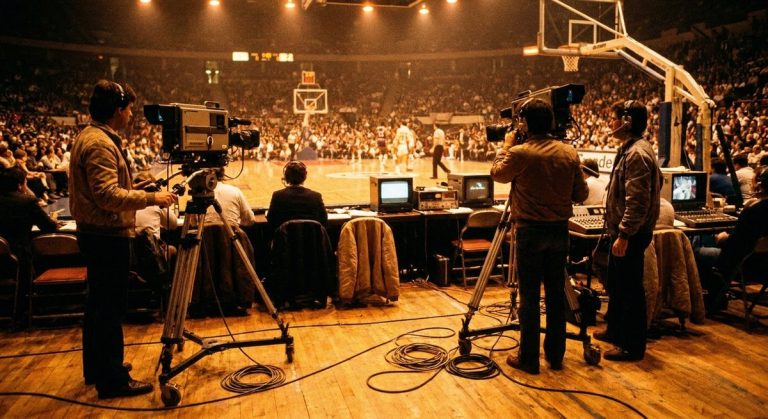
Darts on British TV: How the BBC Made It Big — And Lost It
The BBC didn't just broadcast darts in the 1980s: it made the sport what it was. Then it walked away. Here's what that cost darts, and who picked up the pieces.
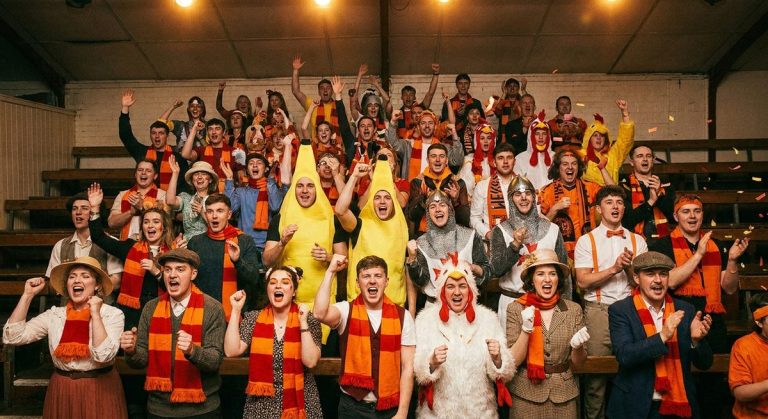
Walk-on music, crowd culture, rivalries, sponsorship, and the unique atmosphere that made the BDO era impossible to replicate.
The BBC didn't just broadcast darts in the 1980s: it made the sport what it was. Then it walked away. Here's what that cost darts, and who picked up the pieces.
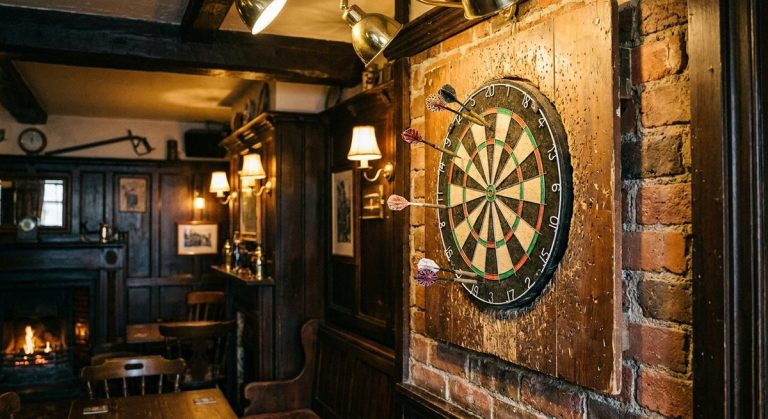
AIThe Lakeside Country Club held 1,170 people for darts. It sounded like a football ground. Here's why the smallest venue in world sport produced the loudest crowds.
AIDarts didn't become a major British sport by accident. It grew out of the pubs and working men's clubs of northern England and the Midlands, hit peak television in the early 1980s, and then fractured into two competing visions of what the game should be. This is how that happened.